Recovery Advice
Minor Bumps and Car Park Crashes: Should You Claim or Not?
Not every collision is a write off. What to do after a minor bump, whether to claim or settle privately, and how to tell cosmetic damage from something that makes the car unsafe.
Most collisions are not dramatic. They are a low speed shunt at a roundabout, a car park scrape, a kerbed wheel, or someone reversing into you at the shops.
The damage is limited, nobody is hurt, and the immediate question is what to do about it. That question has more wrong answers than people expect.
First, is it actually minor
The mistake that costs money is assuming that small visible damage means small actual damage.
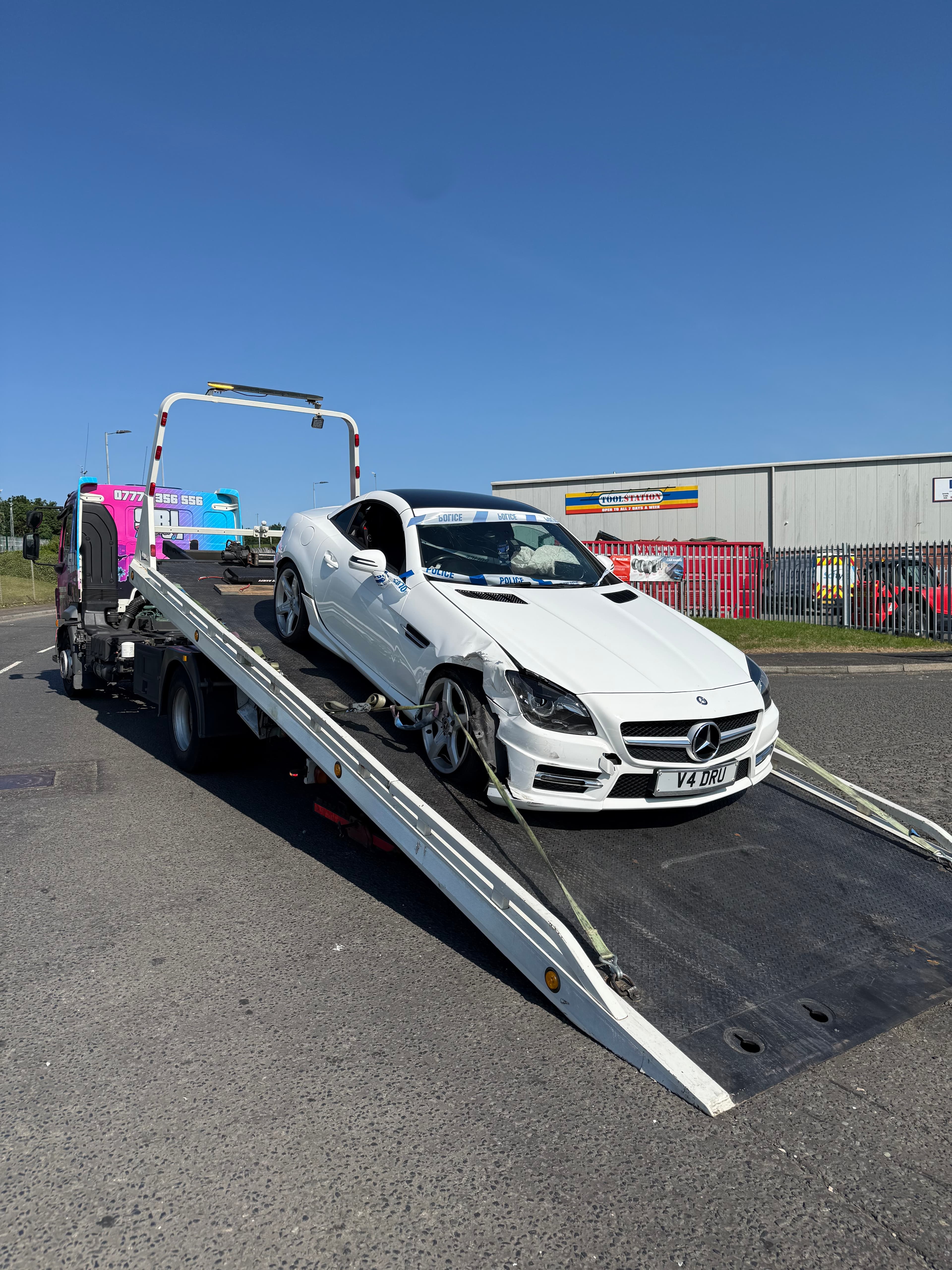
Modern cars are built to absorb impact through deformable structures, which means the visible dent is a poor indicator of what happened underneath. A low speed hit can crack a bumper mounting, bend a crash box, disturb a radiator or a condenser, damage a parking sensor or a radar unit behind the bumper, or shift a headlight assembly.
A kerb strike is worse than it looks. Hitting a kerb sideways at even twenty miles per hour can bend a wishbone, buckle a rim, damage a wheel bearing, or bruise a tyre internally in a way that fails at motorway speed weeks later.
The checks that mean do not drive it:
- Any fluid on the ground under the car
- A wheel or tyre that is not sitting square, or a tyre losing pressure
- Steering that is off centre or pulls
- A new noise from a corner, especially a rumble or a knock
- Any warning light that appeared after the impact
- A bonnet, door or boot that will not shut properly
- Bodywork touching a tyre
- Airbags deployed, in which case the car should not be driven at all
If any of those apply, call for recovery rather than driving it home. Our guide on what to do after a road traffic accident covers the full process.
What to do at the scene, even for a scrape
The obligations do not scale down with the damage.
You must stop. You must exchange details with anyone with reasonable grounds to ask, and that includes damage to parked cars, walls, gates and street furniture. If the other party is not present, as with a parked car, you must leave your details or report it to the police within twenty four hours. Driving off from a car park bump is an offence, and car parks have cameras.
Take the same evidence you would after a serious crash: the other vehicle's registration, both cars' positions, damage on both from several angles, the wider scene, and witness details if anyone saw it.
Photograph the other car's existing damage too. Pre existing scrapes being added to a claim is common and photographs are the only defence.
Claim or settle privately
The genuine decision, and it hinges on numbers.
Settling privately means the other party pays for repairs directly, with no insurer involved. It appeals because it avoids an excess, protects a no claims discount and keeps premiums down.
It goes wrong when the damage turns out to be more than it looked, which happens often. Once you have accepted a payment and signed something, going back to insurance later is difficult, and the other party may simply stop replying once they have your agreement.
If you settle privately: get a proper repair quote first rather than guessing, get the agreement in writing including that it is full and final, and be aware that if injuries emerge later the position changes entirely.
Claiming costs you an excess if you were at fault, and affects your no claims discount. If you were not at fault, it should cost you nothing, because the other driver's insurer is liable.
The rough rule: if the repair is meaningfully more than your excess, or if there is any dispute about who was responsible, or if anyone might have been hurt, claim.
You must tell your insurer either way
This trips people up constantly.
Almost every policy requires you to notify the insurer of any incident, whether or not you intend to claim. Notifying is not claiming and does not by itself affect your no claims discount.
Failing to notify can invalidate cover, and it tends to surface at the worst moment, when the other party claims six months later and your insurer discovers an incident you never mentioned.
If it was not your fault
You should not be paying anything, and that includes recovery, storage, repair and a replacement vehicle while yours is off the road.
Claiming on your own policy for a non fault incident usually means paying your excess and accepting whatever courtesy car your policy provides. Going through the at fault insurer instead means no excess, no impact on your own policy, and a like for like replacement.
See our accident claim service and non fault accident recovery.
If you need the car moved
SRL Recovery attends accident damaged vehicles across Glasgow and Central Scotland twenty four hours a day, including cars that are drivable but should not be driven.
Call 01698 700970 and tell us whether it is on its wheels, whether it steers, and whether the airbags went off.
Quick answers
Do I have to report a car park bump? Yes. Leave your details on the vehicle or report it to the police within twenty four hours. Driving off is an offence.
Should I settle a minor bump privately? Only with a proper repair quote and a written full and final agreement. Hidden damage is common and difficult to reopen later.
Do I need to tell my insurer if I am not claiming? Yes. Most policies require notification of any incident, and failing to notify can invalidate cover.
My car looks fine after a kerb strike. Is it safe? Not necessarily. Kerb impacts bend suspension and bruise tyres invisibly. Get it inspected before any fast road driving.