blog
7 Steps to Take After a Car Breakdown
Table of Contents
- Step 1: Move to Safety and Switch on Hazard Lights
- Step 2: What to Do if Your Car Breaks Down on a Motorway
- Step 3: Assess the Problem and Attempt Basic Fixes
- Step 4: What Happens if Your Car Breaks Down and You Have No Cover
- Step 5: How to Arrange Breakdown Recovery
- Step 6: What to Tell a Recovery Company
- Step 7: Handle Your Insurance Claim and Documentation
- Frequently Asked Questions
Last Updated: 19 October 2026
Step 1: Move to Safety and Switch on Hazard Lights
Understanding the 7 steps to take after a car breakdown determines everything that follows. Your safety comes before anything else.
Pull over to the side of the road as soon as you safely can. If you're on a motorway or dual carriageway, move as far left as possible. Get your vehicle away from moving traffic.
Switch on your hazard lights immediately. This tells other drivers that something is wrong. Turn on your headlights too if it's dark or raining.
If you can safely do so, switch off your engine. This prevents further damage and reduces fire risk. Leave the keys in the ignition so a recovery driver can restart it if needed.
Stay calm. A car breakdown is stressful, but panic makes things worse. Take a moment to assess where you are and what you need to do next.
Step 2: What to Do if Your Car Breaks Down on a Motorway
A motorway breakdown is more dangerous than a breakdown on a normal road. Traffic moves faster, and there's less space to escape.
Stay out of your vehicle. Do not sit inside while waiting for help. Stand well away from the traffic, preferably on the grass verge or behind a safety barrier. If you have a passenger, keep them with you away from the road. Maintaining this distance from the carriageway remains the most effective way to protect yourself until assistance arrives, a principle further detailed in our vehicle safety guide.
Call for help immediately. Use your mobile phone to ring the police, your breakdown cover provider, or a recovery service. Tell them exactly where you are. Use the mile marker or junction number if you can see one.
If you break down in a tunnel, switch on your hazard lights and call emergency services straight away. Leave your vehicle and move to an emergency exit if one is nearby.
Never attempt repairs on a motorway. Even a simple fix puts you in danger from passing traffic. Wait for professional help to arrive.
Step 3: Assess the Problem and Attempt Basic Fixes
Once you're in a safe location, you can try to work out what's wrong.
Listen to what happened before the breakdown. Did you hear a strange noise? Did the engine overheat? Did the car lose power suddenly? These clues help you understand the problem.
Check the obvious things first. Is your fuel tank empty? Look at your dashboard warning lights. They tell you what the car thinks is wrong.
Open your bonnet if you feel confident doing so. Look for loose hoses, damaged belts, or fluid leaks. Do not touch anything hot. Wait for the engine to cool if it's recently been running.
Try these basic fixes if you know how:
- Flat battery: If the engine won't turn over, you might have a flat battery. Call a recovery service or ask another driver for jump leads.
- Overheating: If the engine is overheating, turn off the air conditioning and turn the heating up. This moves heat away from the engine. Let the engine cool before opening the radiator cap.
- Loose fuel cap: Sometimes a loose fuel cap triggers warning lights. Tighten it and see if the warning disappears.
- Punctured tyre: If you have a puncture and a spare wheel, you can change it yourself if you know how. Keep safe from traffic while you work.
Do not attempt anything beyond your skill level. If you're not sure what's wrong or how to fix it, call for professional help.
Step 4: What Happens if Your Car Breaks Down and You Have No Cover
Not everyone has breakdown cover. If you don't, you still have options.
Call the police on 999 if you're in immediate danger (Contact the police). They can arrange help if you're stranded on a motorway or in a dangerous location.
Contact a local recovery service directly. Search online for "car recovery near me" or ask friends for recommendations. They'll send a truck to collect your vehicle and take it to a garage.
You'll need to pay for this service. Get a quote before you agree to anything. Ask what the cost includes. Does it cover towing to a garage of your choice? How far will they take your vehicle?
Some garages offer recovery services too. Ring a local garage and ask if they can help. They might send their own recovery truck or recommend a service they work with.
If you have car insurance, check your policy. Some insurance companies include breakdown cover as standard or offer it as an add-on. Ring your insurer to ask.
Step 5: How to Arrange Breakdown Recovery
Arranging recovery is straightforward if you know what to do.
Ring your breakdown cover provider first if you have one. They'll ask for your membership number, your location, and what's wrong with the car. They'll dispatch a recovery truck to you.
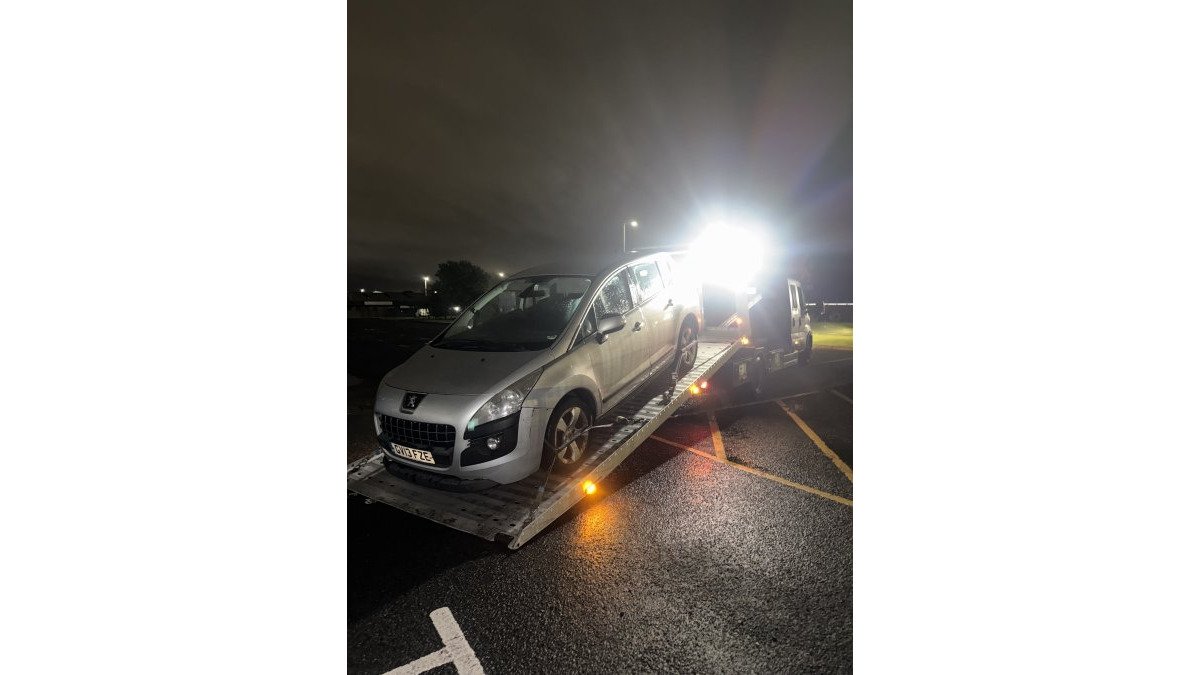
If you don't have cover, ring a local recovery service directly. At SRL Recovery, we dispatch vehicles within 30 to 45 minutes on average. We handle cars, vans, and commercial vehicles across Glasgow and Lanarkshire, and we also offer nationwide recovery.
Have these details ready when you call:
- Your vehicle registration number
- Your location (postcode, street name, or mile marker)
- What happened (engine won't start, puncture, accident, etc.)
- Your contact number
- Whether you need the vehicle taken to a specific garage
Tell the recovery service if you're in a dangerous location. They'll prioritise your call if you're on a motorway or in heavy traffic.
Expect to wait for arrival in most cases. Some services guarantee faster response in emergencies. Ask about this when you call.
Step 6: What to Tell a Recovery Company
Giving the recovery company the right information speeds up the process.
Start with your location. Be as specific as you can. If you're on a motorway, use the mile marker or junction number. If you're on a normal road, give the street name and nearby landmarks.
Describe what happened. Did the engine stop suddenly? Did you hear a noise? Is smoke coming from the engine? Did you have an accident? The more detail you give, the better prepared the recovery driver will be.
Tell them if there are hazards around your vehicle. Is the road icy? Is there debris everywhere? Is your vehicle blocking traffic?
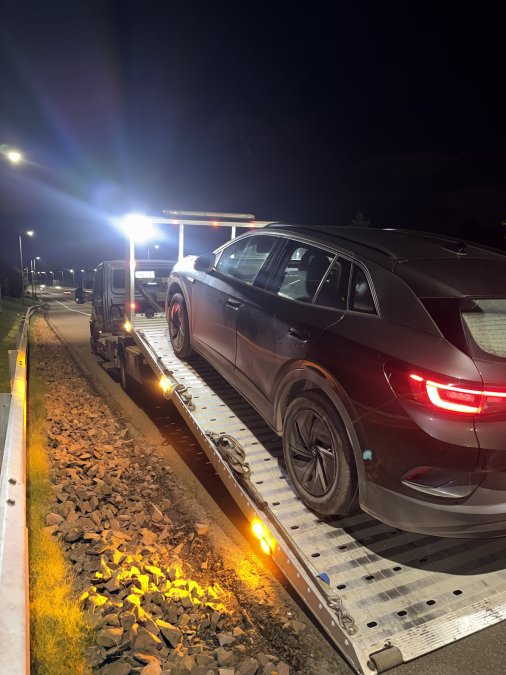
Let them know if you need special handling. Some vehicles need careful treatment. If you drive an electric car, a hybrid, or a motorhome, tell them. SRL Recovery has experience with specialist vehicles and knows how to handle them safely.
Say whether you want the vehicle taken to a specific garage or location. If you don't have a preference, ask the recovery service to recommend one nearby.
Give your mobile number so the driver can ring you when they're close. This helps you stay alert and ready to meet them.
Step 7: Handle Your Insurance Claim and Documentation
After your breakdown, you'll need to sort out the paperwork and any insurance claims.
Take photos of your vehicle and the scene. If you broke down due to an accident or dangerous road conditions, photograph everything. This helps your insurance company understand what happened.
Write down the recovery service details. Get the name of the driver, the company name, the time they arrived, and what they did. Ask for a receipt or invoice.
If your breakdown was caused by an accident, ring your insurance company as soon as possible. Tell them what happened and provide the recovery company's details. Your insurer will guide you through the claims process.
Keep all receipts and documents. You'll need them if you claim on your insurance or pursue a claim against a third party.
If you're claiming on breakdown cover, your provider will handle most of the paperwork. They'll liaise with the garage and sort out payment. You just need to provide them with the recovery company's invoice.
For non-fault accidents, SRL Recovery handles comprehensive claim management at no upfront cost. We work with your insurer to resolve the claim smoothly, so you don't have to deal with the stress of paperwork and phone calls.
A car breakdown is stressful, but knowing the 7 steps to take after a car breakdown makes it manageable. The steps above cover most situations you'll face. Move to safety first, assess the problem, and call for professional help if you need it.
When you need reliable recovery in Glasgow and Lanarkshire, SRL Recovery is here 24/7 with no out-of-hours or weekend surcharges. We dispatch within 30 to 45 minutes on average and handle everything from roadside fixes to comprehensive insurance claims. Call 01698 700970 for a free quote, or visit SRL Recovery for fast vehicle recovery to learn more about our services.
Frequently Asked Questions
What should I do first if my car breaks down?
Switch on your hazard lights immediately and move your vehicle to a safe location if possible. If you're on a busy road or motorway, exit the vehicle carefully and stand behind the barrier or away from traffic. Turn off the engine, engage the handbrake, and assess whether the problem is something simple you can fix yourself, such as a flat tyre. If not, contact a recovery company. Your safety is the priority before anything else.
Can I arrange breakdown recovery without existing cover?
Yes, you can arrange breakdown recovery on demand even without a pre-existing breakdown cover policy. Contact a recovery provider directly and they'll dispatch a vehicle to your location. You'll pay for the service at the point of call or on completion. Many drivers find this option useful for occasional breakdowns, though having breakdown cover in place beforehand offers peace of mind and often includes additional benefits like onward travel and accommodation assistance.
What information should I give a recovery company?
Provide your exact location (use a postcode, road name, or nearby landmark), your vehicle registration, make and model, a description of the fault or symptoms, and the best contact number to reach you. If you're on a motorway, mention which junction or services you're near. Let them know if there are any hazards, such as a fuel leak or if your vehicle is in a ditch. The more detail you give, the faster they can dispatch the right equipment and arrive prepared.
How long does vehicle recovery usually take after a car breakdown?
Response times vary depending on your location and how busy the recovery service is. Professional providers typically aim to arrive within 30 to 45 minutes in urban and suburban areas. Rural locations may take longer. Once the recovery vehicle arrives, the time to complete the job depends on the fault: a simple roadside repair may take a short while, whilst a full recovery to a garage can take longer depending on distance and traffic conditions.