how-to
Emergency Recovery Service: What to Do When Your Vehicle Breaks Down
Table of Contents
- What Happens If Your Car Breaks Down and You Have No Cover
- How Emergency Recovery Service Works
- Vehicle Recovery With No Keys
- Vehicle Recovery From a Ditch or Difficult Location
- Commercial Vehicle Recovery for Fleet Operators
- Why Professional Emergency Recovery Matters
- Frequently Asked Questions
Last Updated: 11 October 2026
What Happens If Your Car Breaks Down and You Have No Cover
Breaking down without roadside cover feels like being stranded. Your vehicle stops, traffic builds behind you, and you're left wondering what happens next. An emergency recovery service is your lifeline in these moments, a professional team that arrives quickly to assess your situation and get you moving again or transport your vehicle safely to a garage.
Most drivers assume breakdown cover is essential before they hit the road. The reality is more nuanced. Even without pre-arranged cover, emergency recovery services exist and operate around the clock. The difference is how you access them and what you'll pay. A reliable emergency recovery service can arrive within 30 to 45 minutes, assess whether your vehicle needs roadside repair or safe transport, and handle the situation with professional care. At SRL Recovery, we've handled thousands of breakdowns across Glasgow and Lanarkshire, from simple roadside fixes to complex recoveries from difficult locations.
What separates a good recovery experience from a stressful one isn't just speed. It's transparency about costs, genuine expertise with different vehicle types, and the confidence that your car is in capable hands. Below, we'll walk through how an emergency recovery service actually works, what to expect when you call, and why professional handling matters far more than most drivers realise.
How Emergency Recovery Service Works
An emergency recovery service operates in three distinct phases: immediate dispatch, on-site assessment, and either roadside repair or safe transport. Understanding each phase helps you know what to expect when you call.
Immediate Dispatch and Assessment
The moment you ring an emergency recovery service, the clock starts. A professional operator takes your details: vehicle type, location, nature of the problem, and whether anyone is injured. This information determines which vehicle and specialist will be dispatched. A van recovery requires different equipment than a car stuck in a ditch. A fleet manager with multiple vehicles down needs coordinated dispatch, not sequential responses.
Good recovery services maintain multiple vehicles and can handle concurrent jobs. SRL Recovery operates 5 tilt and slide trucks capable of transporting vehicles ranging from standard 3.5-tonne vans to larger 7.2-tonne vehicles. This matters because it means your recovery doesn't get queued behind someone else's job; if capacity exists, you get attended to promptly.
The dispatch phase typically takes 5 to 10 minutes. You'll receive confirmation of arrival time, usually within 30 to 45 minutes depending on location and current demand. During this wait, stay in your vehicle if it's safe to do so, keep your hazard lights on, and stay alert to traffic.
Roadside Repair or Safe Transport
Once the recovery operator arrives, they'll diagnose the issue. Many breakdowns, flat batteries, minor electrical faults, fuel system blockages, can be fixed on the spot. A roadside repair saves time and money for you. The operator has the tools and diagnostic knowledge to identify quick fixes and execute them safely.
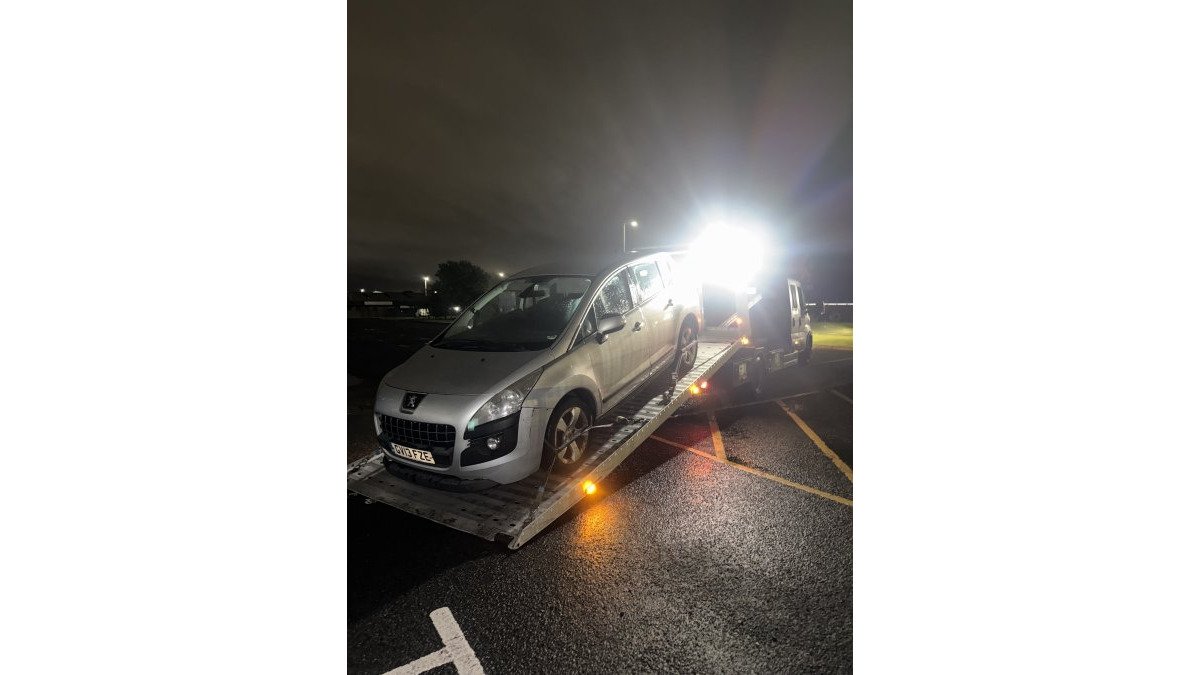
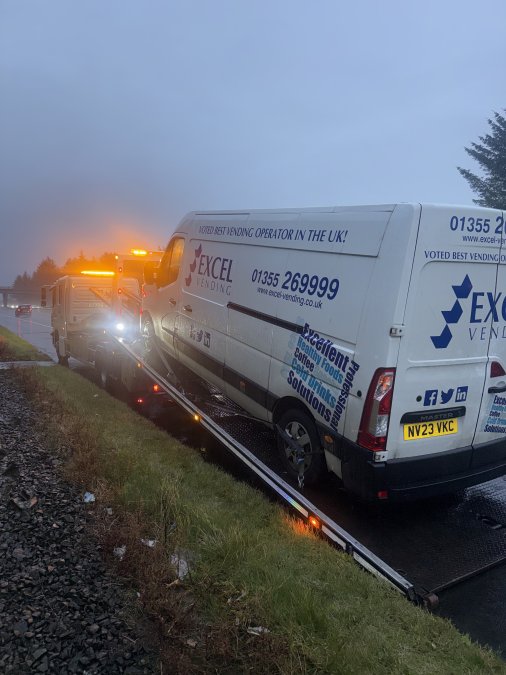
If roadside repair isn't possible, the vehicle needs transport. This is where professional handling becomes critical. A tilt-and-slide truck doesn't just drag your car behind another vehicle. It lifts and secures your vehicle onto a flatbed, protecting it from further damage during transit. Your car arrives at the garage in the same condition it left the roadside, no additional wear, no risk of transmission damage from being towed.
The transport phase typically takes 30 minutes to two hours depending on destination. Professional operators communicate throughout, keeping you informed of progress and estimated arrival time at the garage or destination you've specified.
Vehicle Recovery With No Keys
Locked vehicles without keys present a specific challenge that many standard breakdown services struggle with. An emergency recovery service experienced in this scenario knows the difference between a vehicle that's simply locked and one that's genuinely inaccessible.
If your keys are locked inside, a recovery operator can often arrange immediate access through a locksmith or, in some cases, use non-destructive entry techniques. The vehicle doesn't need to be transported, it needs to be unlocked. This is a roadside service that takes 15 to 30 minutes and costs significantly less than a full recovery.
The situation changes if your keys are lost or damaged beyond use. Here, the vehicle cannot be driven safely to a garage. A professional emergency recovery service will transport it on a flatbed to a dealership or specialist locksmith where replacement keys can be programmed. This protects the vehicle from damage and ensures proper key programming rather than attempting emergency starts that risk electrical system damage.
SRL Recovery specialises in vehicles with no keys, locked cars, or cars stuck in difficult positions where keys are irrelevant. These operators understand that the recovery method changes based on the specific problem. A locked car in a car park requires different handling than a vehicle with a seized engine.
Vehicle Recovery From a Ditch or Difficult Location
Recovery from a ditch or difficult terrain demands specialist equipment and genuine expertise. An emergency recovery service equipped for these situations carries winches, ramps, and sometimes multiple vehicles working in coordination.
A vehicle in a ditch cannot be driven out. Attempting to do so risks rolling the vehicle, injuring occupants, or causing structural damage. A professional recovery operator assesses the angle of the vehicle, soil conditions, and potential obstacles before deciding on recovery method. Some vehicles need winching straight up; others need to be rotated or partially lifted before extraction is possible.
SRL Recovery uses super low approach trucks and has race ramps for lower vehicles, allowing them to position themselves safely under vehicles with minimal ground clearance. This matters for sports cars, modified vehicles, or any car with a low chassis. Standard tow trucks can't fit underneath; specialist equipment is required.
The recovery process itself takes 45 minutes to two hours depending on complexity. A simple ditch recovery might cost significantly less than a complex extraction from steep terrain or soft ground. Professional operators quote transparently based on what they observe on-site, not on inflated assumptions about difficulty.
Commercial Vehicle Recovery for Fleet Operators
Fleet managers face a different challenge: managing multiple vehicle breakdowns across multiple locations simultaneously. A single van breakdown is manageable. Two or three vans down on the same day can paralyse operations.
An emergency recovery service experienced with commercial fleets understands this pressure. They maintain capacity to handle multiple concurrent jobs rather than queuing them sequentially. This means if two of your vans break down on the same day, both get attended to promptly rather than the second one waiting hours for the first to be resolved.
Commercial recovery also requires understanding of different vehicle types. A 3.5-tonne van needs different handling than a 7.2-tonne vehicle or a full HGV. Recovery operators familiar with commercial work know weight limits, braking systems, and load-securing requirements specific to each vehicle class. SRL Recovery also offers secure storage for vehicles awaiting parts or repair, which matters when a vehicle breaks down far from your base. Rather than arranging temporary parking, SRL Recovery can store your vehicle securely until repair is complete or it's ready to be collected.
Why Professional Emergency Recovery Matters
The difference between calling a professional emergency recovery service and attempting DIY solutions becomes obvious when something goes wrong. A vehicle recovered improperly can suffer transmission damage, suspension damage, or electrical faults that didn't exist before recovery began.
Insurance claims also depend on professional handling. If your vehicle is recovered negligently and damage occurs during recovery, proving negligence becomes complicated if the operator wasn't properly insured or trained. Professional recovery services carry comprehensive insurance covering both third-party liability and damage to your vehicle during the recovery process itself.
Professional operators also understand the insurance claim process. Many offer comprehensive accident claim management at no upfront cost, handling communication with insurers, arranging repairs, and managing the entire process transparently. This removes stress at a time when you're already dealing with the aftermath of a breakdown or accident.
The cost of professional recovery varies based on the specific situation: roadside repair costs less than transport, transport over short distances costs less than long-distance recovery, and standard recoveries cost less than specialist extractions. Transparent quoting upfront means no surprises when the invoice arrives.
When your vehicle breaks down, the immediate priority is safety, yours and other road users'. An emergency recovery service removes the guesswork from what happens next. Professional operators arrive quickly, assess your situation accurately, and execute the right solution for your specific circumstances. Whether it's a roadside repair that gets you back on the road or safe transport to a garage, professional handling protects your vehicle and your peace of mind.
For immediate assistance with a breakdown, accident, or car recovery, call SRL Recovery on 01698 700970. We operate 24/7 with no out-of-hours surcharges, maintain multiple vehicles for concurrent jobs, and handle everything from roadside repairs to complex recoveries from difficult locations. Our team brings 17 years of motor trade experience to every call, whether you need a quick fix or professional transport across the UK.
Frequently Asked Questions
What should I do immediately if my vehicle breaks down on the road?
Switch on your hazard lights and move to a safe location away from traffic if possible. If you're on a motorway, exit at the next junction or move to the hard shoulder. Turn off the engine and stay inside the vehicle with seatbelts fastened. Call an emergency recovery service straight away with your location, vehicle details, and description of the problem. Provide your vehicle registration number, make, model, and colour so they can dispatch the right equipment and arrive prepared.
What happens if my car breaks down and I have no breakdown cover?
Without breakdown cover, you'll need to arrange recovery independently. An emergency recovery service can still respond immediately and charge a call-out fee based on the job. Professional recovery operators handle vehicles without cover regularly and can provide transparent quotes over the phone before attending. Many drivers find this more affordable than expected, especially for straightforward breakdowns that need only roadside repair rather than full vehicle transport.
Can a recovery service move a vehicle with no keys?
Yes. Professional recovery services specialise in moving vehicles with no keys, whether they're locked in park, have lost keys, or are inaccessible. Specialist equipment like tilt and slide trucks and low-approach recovery vehicles allow safe transport without needing ignition access. This is particularly valuable if your keys are lost, stolen, or trapped inside the vehicle, and the recovery operator will ensure your vehicle is transported securely and insured throughout.
How long does emergency vehicle recovery typically take?
Most emergency recovery services aim for arrival within 30 to 45 minutes from your call, depending on traffic and your exact location. Once the operator arrives, roadside repairs may take 15 to 30 minutes if the fault is simple. If full recovery is needed, transport time depends on distance to the garage or destination. Transparent recovery operators will give you realistic time estimates when you call, so you know when to expect help and can plan accordingly.